A Day In The A Blue Mountains.

Thanks for visiting my blog. I welcome you to take your time and browse , visiting my bush garden and discovering the wonders of my city within a national park; Blue Mountains National Park. Via my blog you will travel with me through the successes, trials and tribulations of gardening on a bush block. I share with you my patchwork & quilting, knitting, paper crafts, cooking and life in general.
Showing posts with label Angophora. Show all posts

Saturday, 22 November 2014

A Favourite Thing


A favourite thing growing in our garden is the angophora tree.

Angophora costata to be exact, or the smooth barked apple.

The angophora costata tree does not grow apples though.  

What I find the most startling about this tree, is not its size, or the masses of cream coloured spring blooms, not even the way its roots curl around the sandstone in which it commonly grows...but the colour of its bark.

I know no other tree that sheds its bark the way the angophora does, to reveal all the shades of green, or brown, or terracotta, or grey, or blue, I know no other tree that colours its bark each day depending on the season, or the weather, or the time of day.

No. Other. Tree.


Monday, 27 February 2012

Day 58/366


Angophora Costata is renowned for dropping its large branches (and therefore not a good idea to plant close to buildings).
When a branch drops off a knobbly growth develops.
Indigenous Australians slice these growths off close to the trunk, hollow them out and use as vessels. 

Sunday, 26 February 2012

Day 57/366


Angophora Costata shedding its bark.


A mound of bark collects at the base of the tree's trunk.

Saturday, 25 February 2012

Day 56/366


Angophora Costata (Smooth-barked Apple)
From the Greek meaning vessel or goblet (angophora), and ribbed (costata) taken from the shape of the seed pods.

This tree is,
in my opinion, the most majestic tree in the Blue Mountains.
She is a member of the Myrtaceae family, and therefore at risk of being affected by 

The Angophora has the ability to change the colour of its bark by the hour, depending on the weather and the time of day.

The colour of the Angophora bark can range from grey to blue-grey to pink to salmon to terracotta.

Once the tree sheds its bark, it is left with a satin smooth trunk.

Angophora Costata grows to a height of 15-25 metres.


Sunday, 20 November 2011

This Month In The Garden.

November
Another Dedication
To my cousin, aged 54, who gave up his struggle with lung cancer.
To Mr Honey Pie's work colleague, killed in a motoring accident while travelling to work.
This post is for you.
Trigger Plant.

New South Wales Christmas Bush.
Bracts will turn a burnished red closer to Christmas.
Traditionally used as a cut flower in homes at Christmas.

Feng Shui Tortoise.

Messy Corner.

Leptospurmum in flower.

Misty Morning.

Banksia Serata.

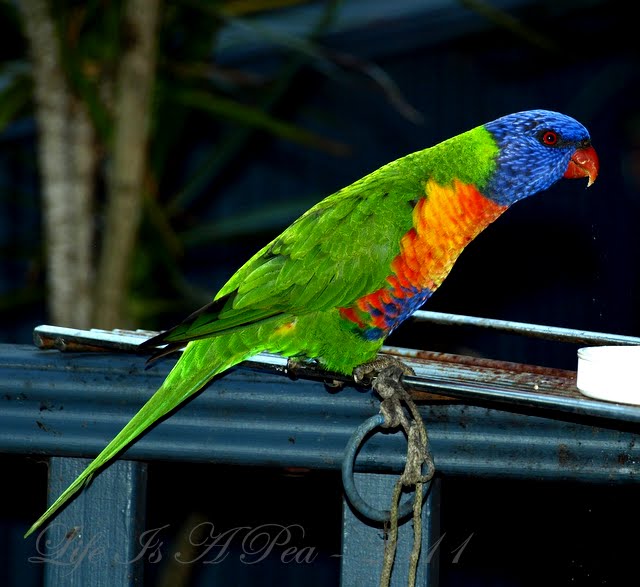
Rainbow Lorikeet. 

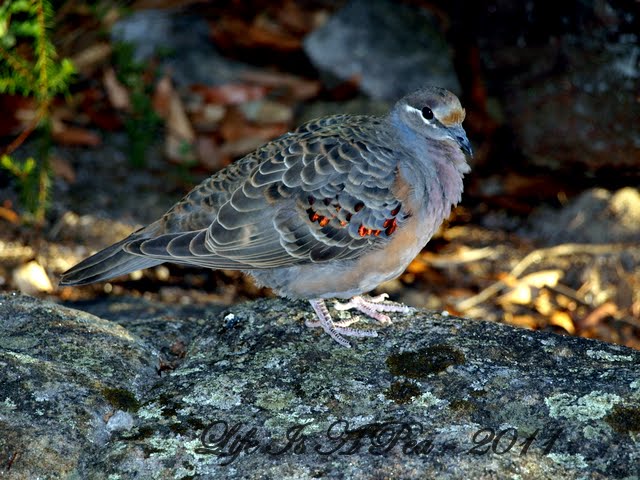
Bronze Wing Pigeon.

Jerusalem Artichoke.

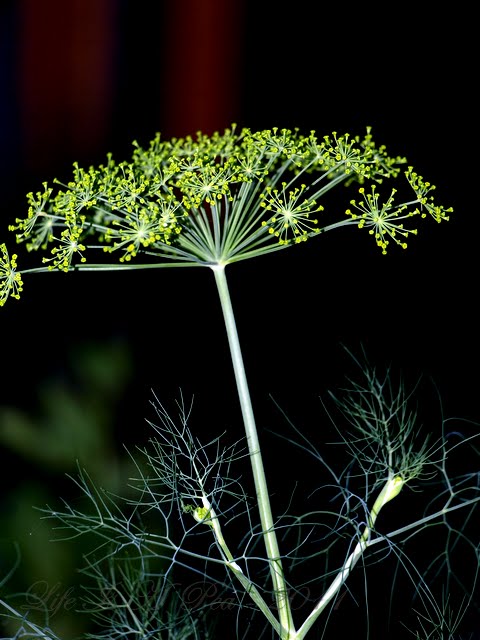
Dill Seed Head

Dill Seed Head
 

Broad Beans and Herbs.


Angophora Costata Shedding Its Bark.

Herbs going to Crop & Swap.
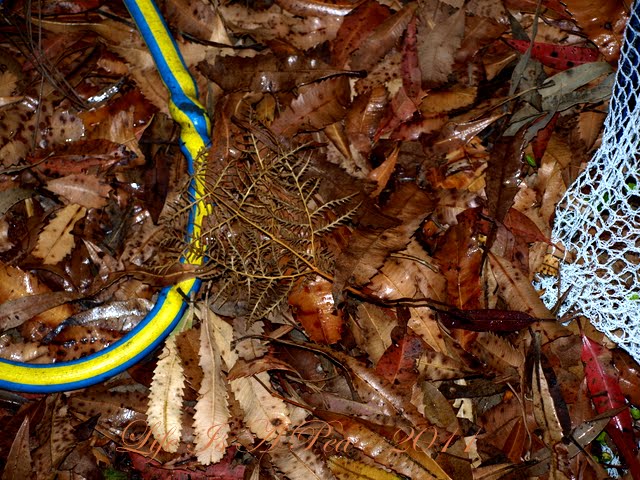
Jobs Left Undone.


Thursday, 30 June 2011

This Month In The Garden

JUNE
Initially, I didn't think that there would be much to photograph in the garden this month.  How wrong was I.

The cacti are doing surprisingly well.


Above is the centre of a Swamp Lily, at least I think that this is what it is.  It's an Australian Native which we've had in the ground for around five years and is yet to flower.

Cherry Tomato in flower.  There's been a good crop this year but the fruit is too sour to eat.  Perhaps the fruit have not had enough sun.

Strawberries are fruiting now too...but I really thought that summer was their growing season?

Some of the wattles are in flower. Here are a couple of ants making their way to a feast of nectar.

Angophoras have been sprouting all over the garden.  I love the colours and the textures of the seedlings.  Unfortunately, most sprout in awkward positions and are not viable.  This one is growing in alongside a potted Kaffir Lime bush.  

I planted six or seven of these Conestick bushes in the garden about seven years ago.  This is the first time that flower heads have formed.  I'm looking forward to seeing the first flowers.
When it comes to Cymbidium Orchids, I think I can safely admit to having a green thumb!  Already, there are about eight spikes forming on my four potted cymbidiums.  Unfortunately, they are all the same variety and I have given away tens of these plants over the past twenty five years or so. Each year I promise myself that I will purchase a new variety but I've never got round to doing this.

It's still June, so I was very surprised to find that the mulberry tree is full of new buds.  Sorry, but the picture quality is not good.  I was so surprised by this find, I just had to post.

  Now that the Winter Solstice is over, the days can only get longer.

Happy gardening!

Comments Welcome

I welcome your comments; they are little personal notes to me. I enjoy reading what each of you have to say. Thanks for dropping by.